LESSON STUDY TEAM DOCUMENT , LESSON PLAN, RESEARCH BASIS FOR LESSON STUDY, ANNOTATED BIBLIOGRAPHY,
PROBLEM OF PRACTICE: OUR STUDENTS LACK AGENCY AND DO NOT WANT TO TAKE RISKS.
RESEARCH QUESTION: How do we remove the barriers that prevent students from feeling safe enough to try, fail, receive feedback, and exercise agency in their learning?
PDSA Cycle 1: Creating Agency Through Choice
Our first PDSA cycle explored whether students would demonstrate greater engagement and produce higher-quality work when given choices in how they demonstrated their understanding.
We identified fear of failure and a lack of student agency as barriers to learning. In response, we introduced multiple means of demonstrating mastery, including presentations, discussions, writing, infographics, poetry and drawing.
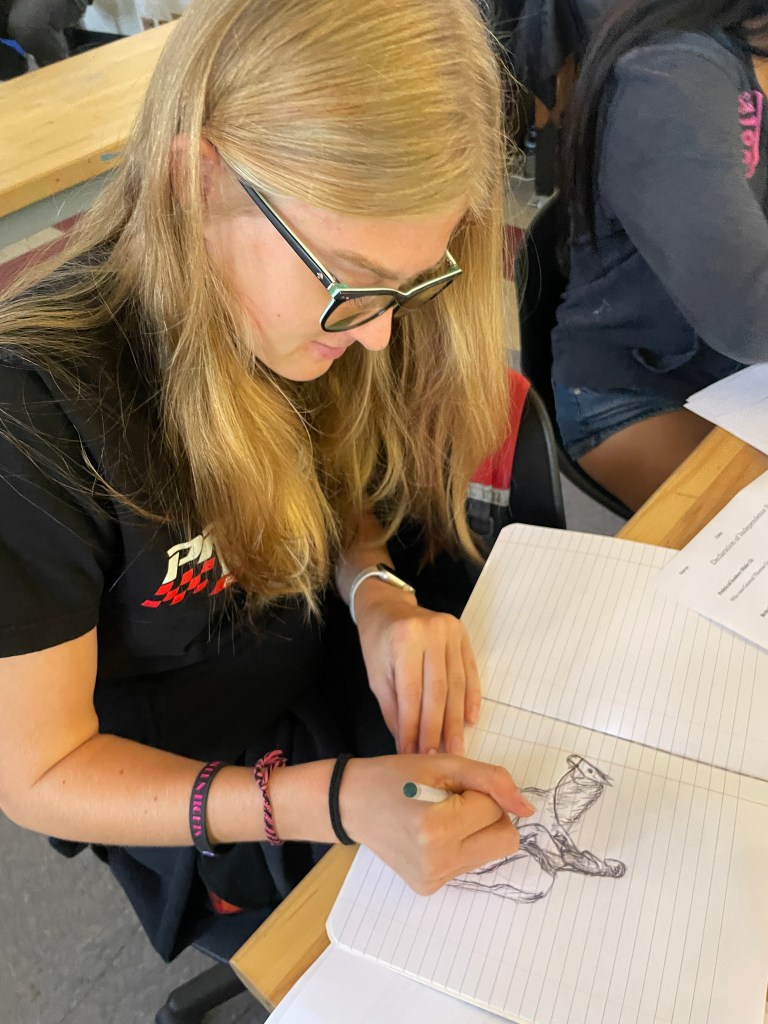
For this lesson, I had students create mini-book reports that were inspired by “book-hyping” promotional campaigns. Students had teacher examples of poems, portrait narratives, but were asked to choose any medium they wanted. I gave them very little direction, but did give a list of requirements.
After implementation, I observed that students produced thoughtful and creative work and explored different ways to communicate their understanding. More students completed and submitted assignments than I had typically observed, and students turned in their work on time. Engagement was sustained, and I did not need to redirect students during the activity.
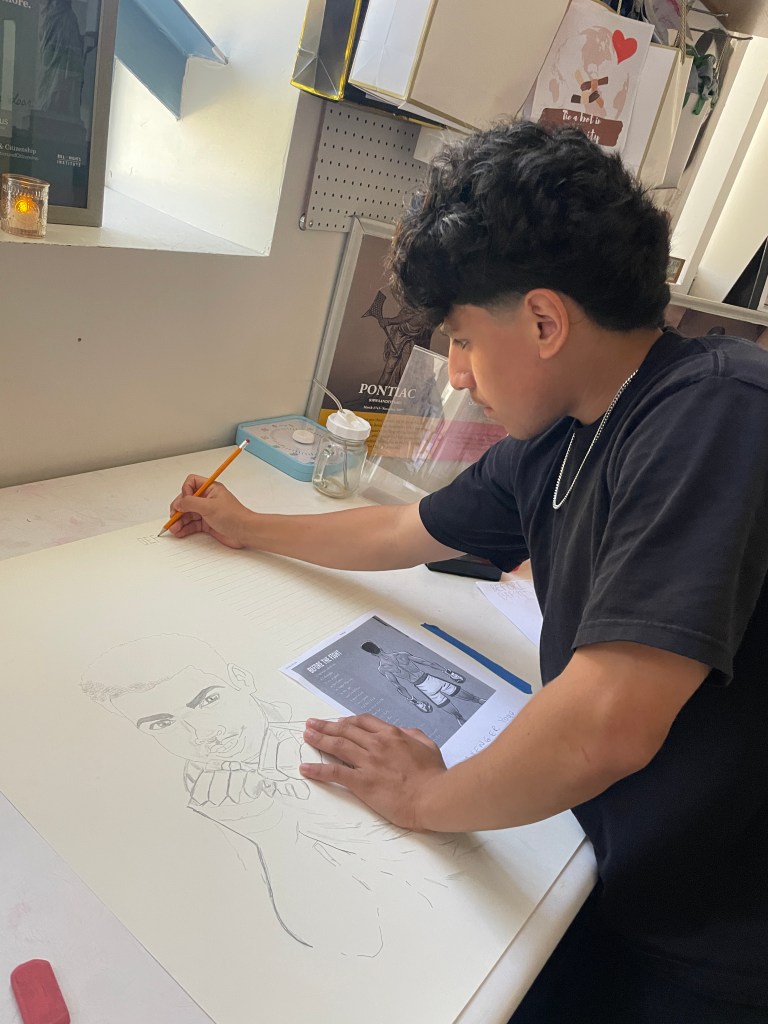
Student example #1: This student’s love of boxing led him to choose a poetry/biography of Muhammad Ali for his independent reading. He is quoting a poem from the book for his promo book art.
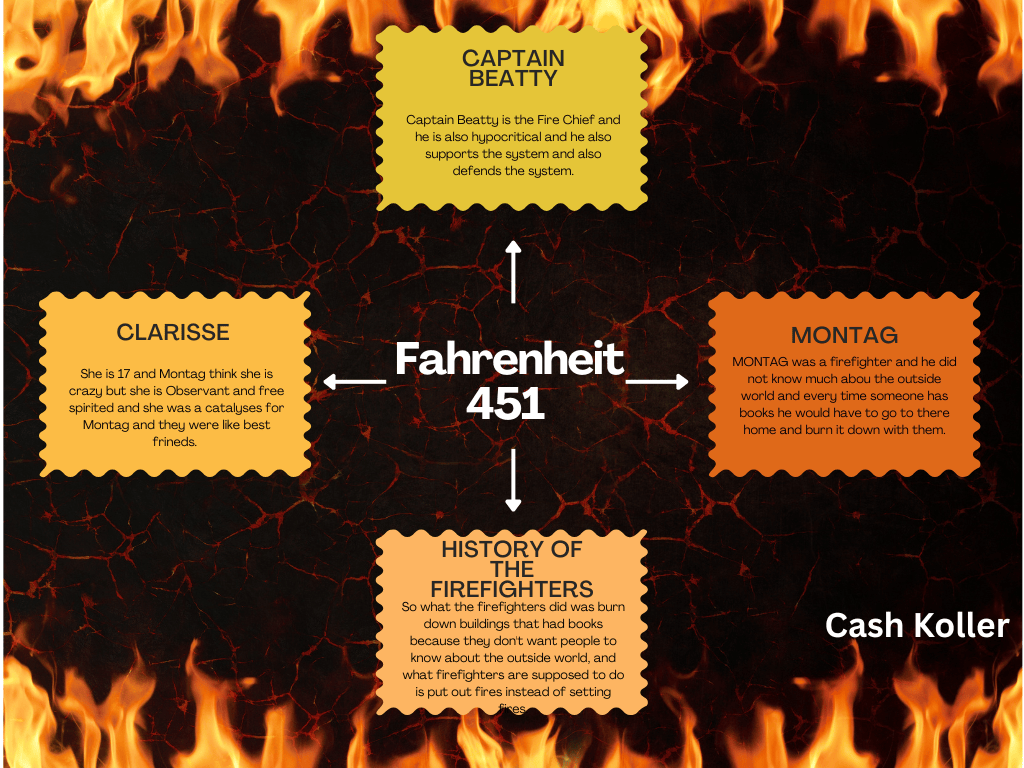
Student example 2: a “mind map” to promote Fahrenheit 451 by ray bradbury
This cycle reinforced the importance of providing multiple entry points and recognizing that students can demonstrate understanding in different ways. Choice was not simply an accommodation; it was an opportunity for students to exercise ownership over their learning. This instructional decision was informed by research emphasizing the importance of student autonomy, voice, and multiple entry points to learning. The research helped me consider how providing students with meaningful choices could reduce barriers to participation while maintaining high academic expectations. Rather than prescribing one way to demonstrate understanding, I wanted students to exercise ownership over how they communicated their learning.
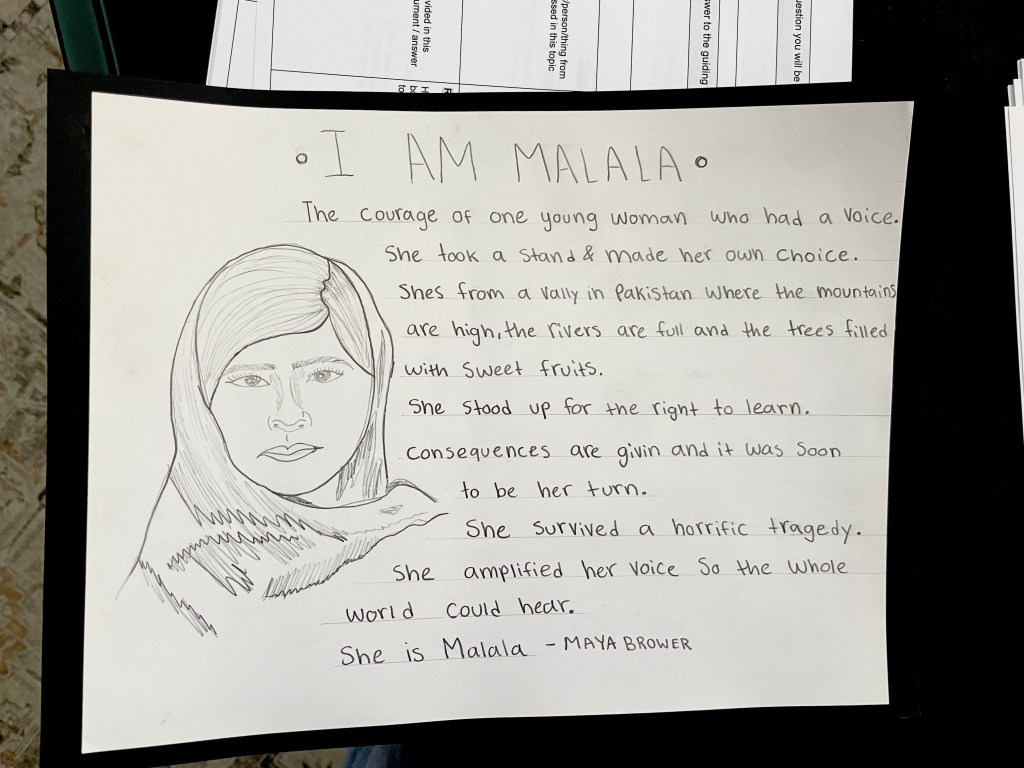
Student example #3: student wrote a poem as a way to promote I Am Malala, by Malala Yousafzai.
Building on Cycle 1, our second PDSA cycle investigated whether explicitly modeling mistakes could help students become more comfortable with uncertainty, feedback, and revision.
PDSA Cycle 2: Modeling Mistakes, Accountability, and Repair
We had planned on making an intentional mistake in order to model what mistakes look like, and ask for feedback from students about the appropriate and supportive ways to address mistakes in our teachers, peers, and ourselves. I intentionally made a mistake in my own teaching practice by changing the organization of Google Classroom without clearly communicating the change to students. Students became concerned because they believed their assignments had disappeared. Although their work was still there, the experience created an opportunity to examine communication, assumptions, trust, and the role of mistakes in learning. I created a reflection lesson called “Learning from Mistakes.”
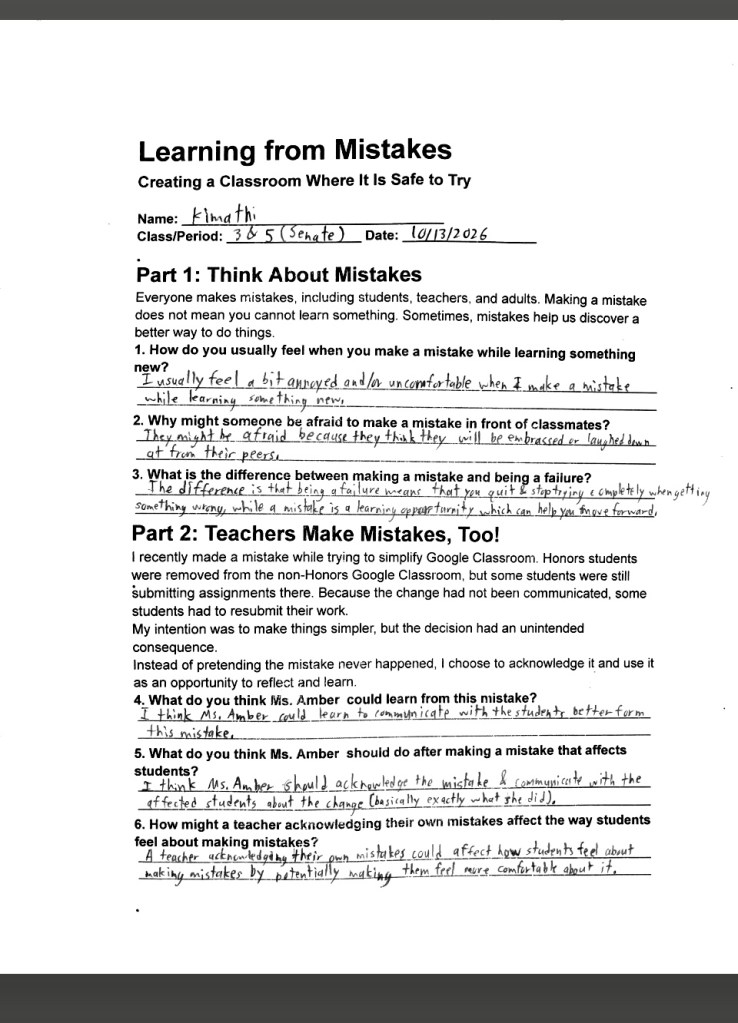
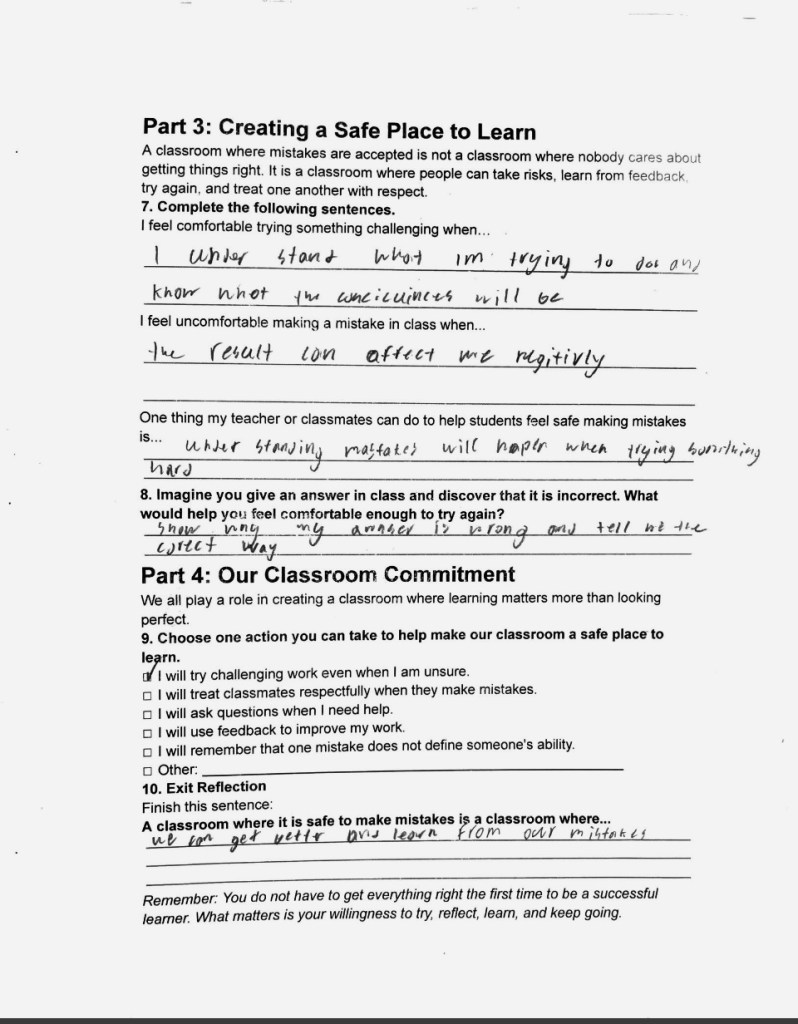
Rather than positioning myself as an authority who never makes mistakes, I acknowledged the error and used it as a shared learning experience. “Learning from Mistakes” was both an instructional intervention and an intentional classroom experiment. We discussed how mistakes can reveal problems in a system, how corrections can improve our work, and how feedback should support learning rather than function as judgment.
The results provided encouraging evidence:
- 27 of 28 students (96.43%) identified the modeled mistake.
- 26 of 28 students (92.86%) demonstrated awareness of corrections.This intervention was informed by research on classroom error climate and learning through mistakes. Metcalfe (2017) and Grassinger et al. (2018) helped me understand that mistakes become productive learning opportunities when students receive meaningful feedback, have opportunities to examine errors, and are supported in making corrections. This research influenced my decision to model a mistake publicly rather than simply tell students that mistakes are acceptable.
- 26 of 28 students (92.86%) participated in honest reflection. My post-cycle observations indicated that students demonstrated greater comfort with mistakes and took more ownership of corrections and revisions. However, the students who needed additional support were sometimes the students who did not receive sufficiently specific feedback from peers. This finding helped identify an important next step: students need explicit instruction and structured opportunities to practice giving kind, specific, and actionable feedback.
How This Inquiry Informed the HeLa Lesson
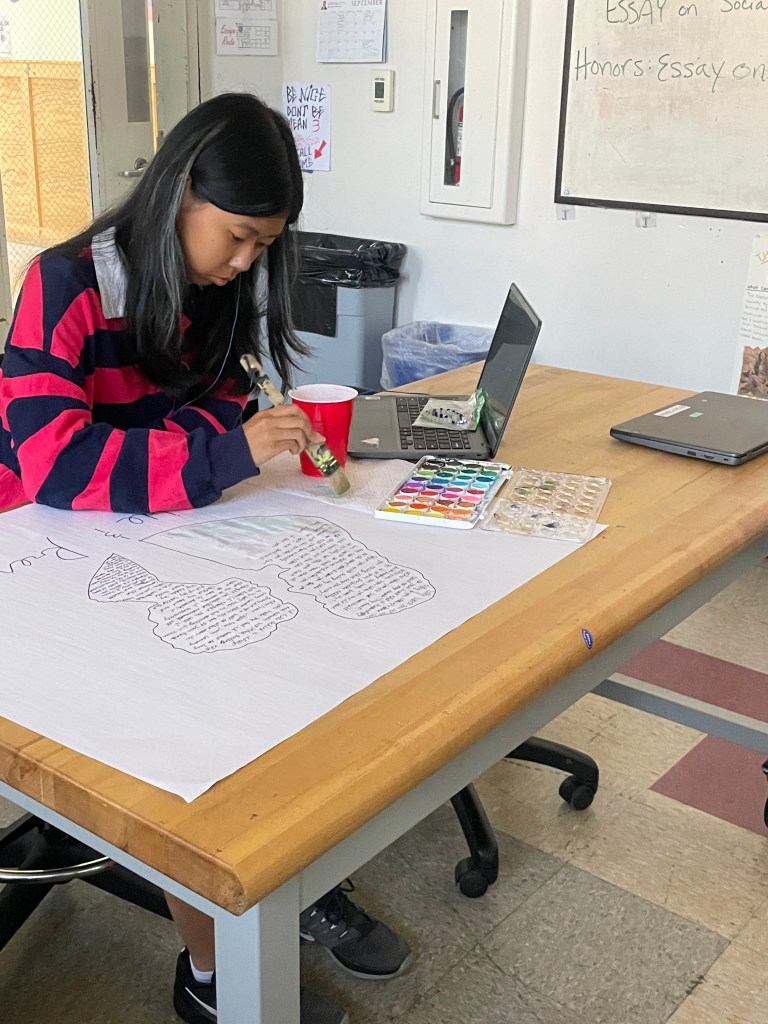
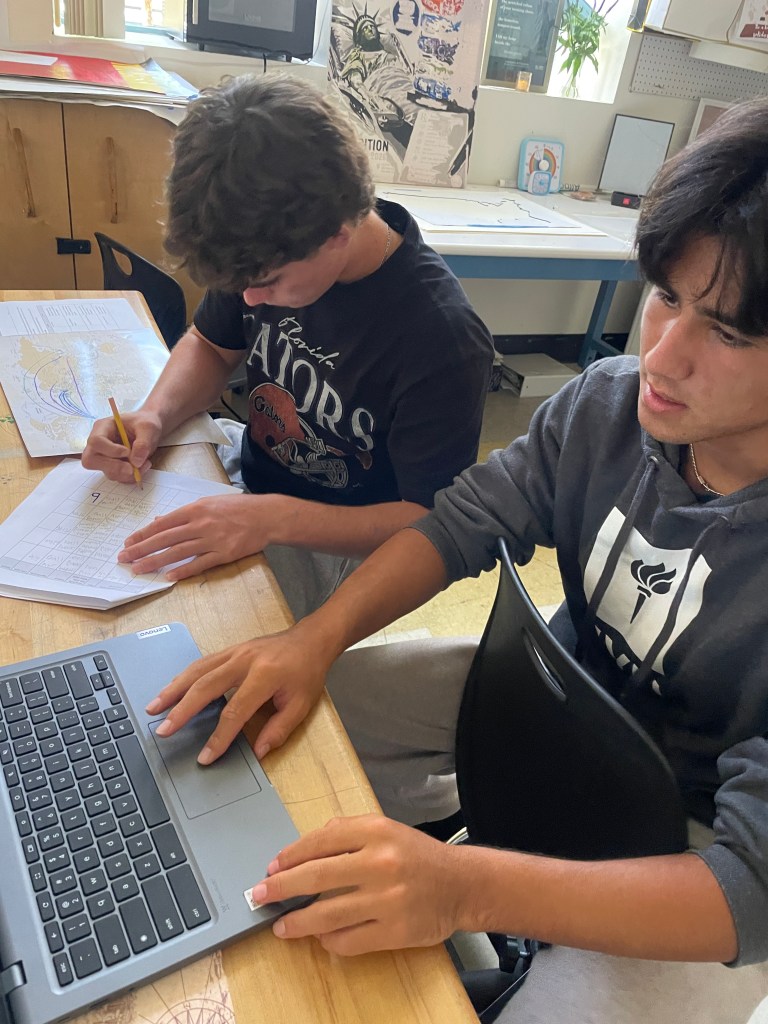
These PDSA cycles shaped the learning environment and instructional decisions for our HeLa global mapping lesson. Students were asked to investigate the international scientific impact of Henrietta Lacks’s cells, identify documented locations, explain scientific contributions, and consider the ethical questions connected to the history of HeLa cells.
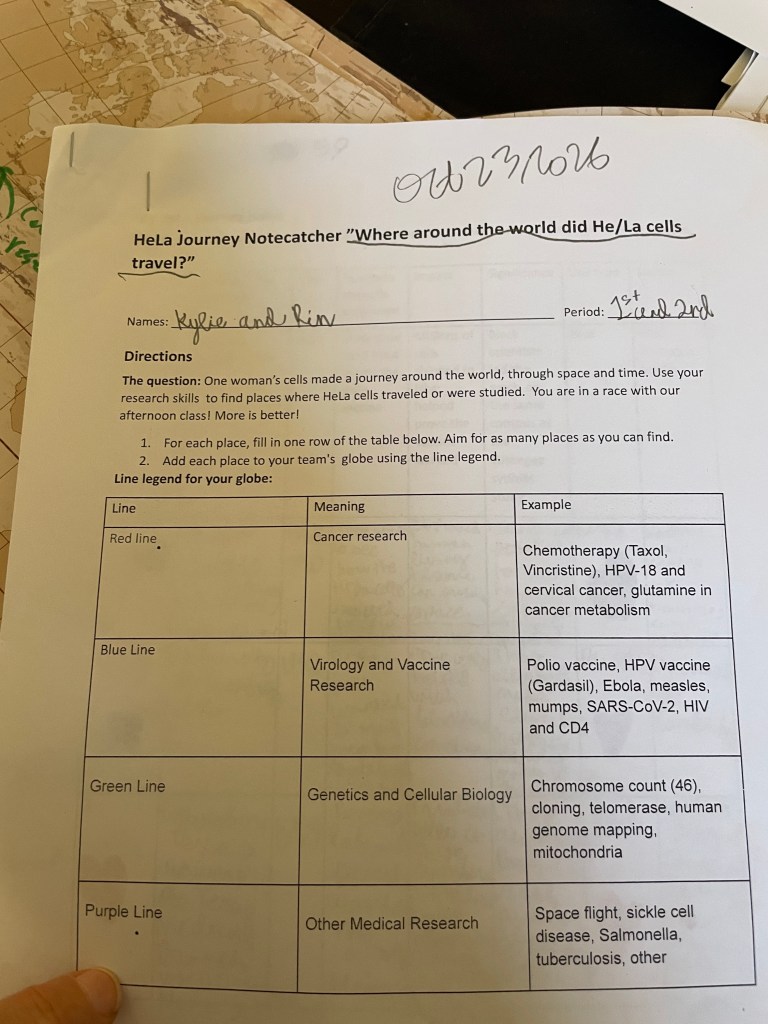
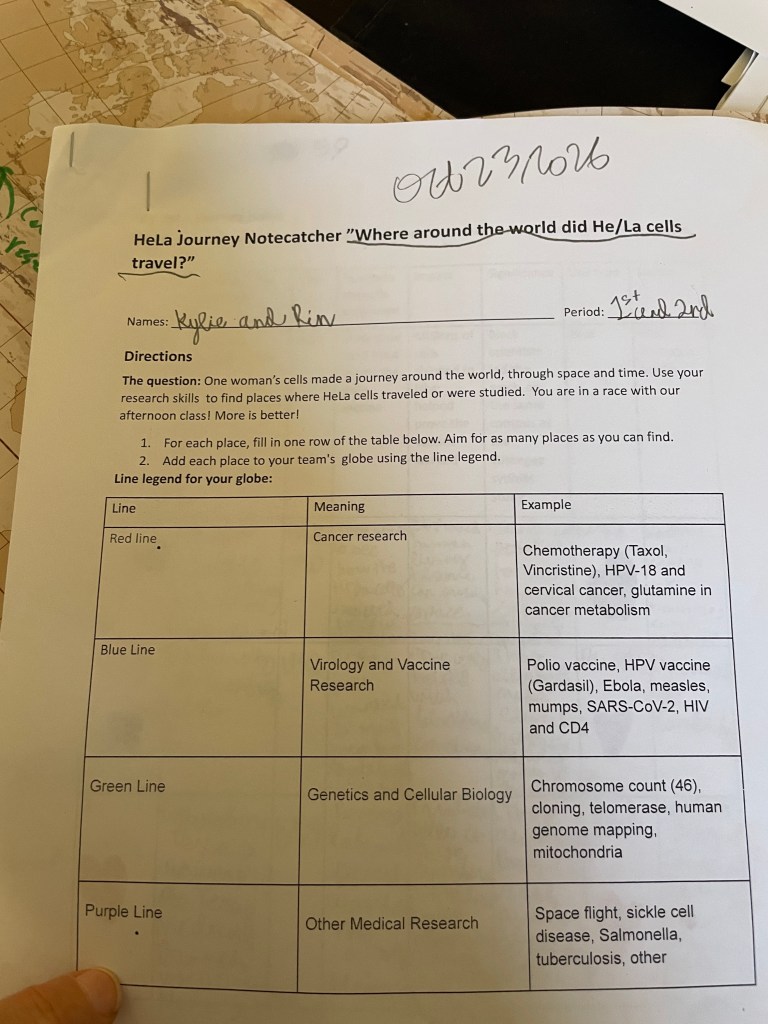
The task required students to work with unfamiliar information, interpret sources, make geographic connections, and explain why scientific discoveries mattered. They were required to record their data in a note catcher that would be used as an assessment. Rather than treating uncertainty as a problem, the lesson provided opportunities for students to investigate, ask questions, compare evidence, and revise their thinking. The lesson was designed to be very challenging, and it absolutely helped to incentivize the students beyond the pain of not being able to easily find it online. They advanced research with this activity!
The physical world map and color-coded journey-notes organizer provided multiple ways to engage with the material. Students could make connections visually, geographically, verbally, and in writing. The organizer also scaffolded more complex thinking by asking students to distinguish among the location, year, use of the cells, scientific impact, and broader significance of each discovery.
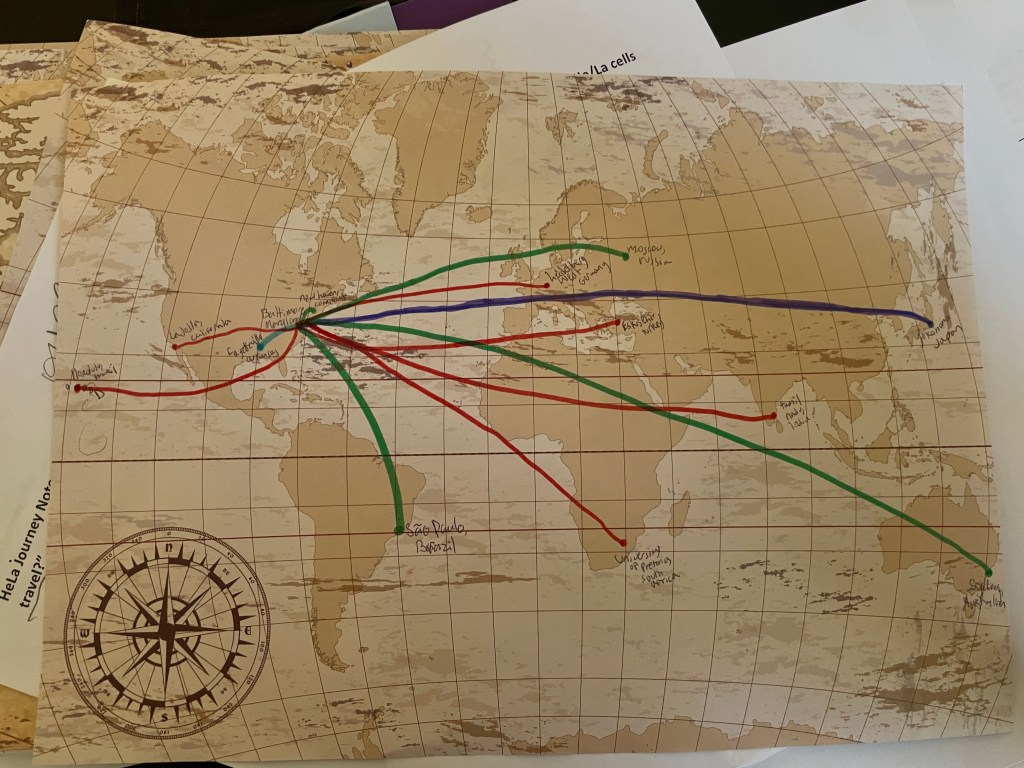
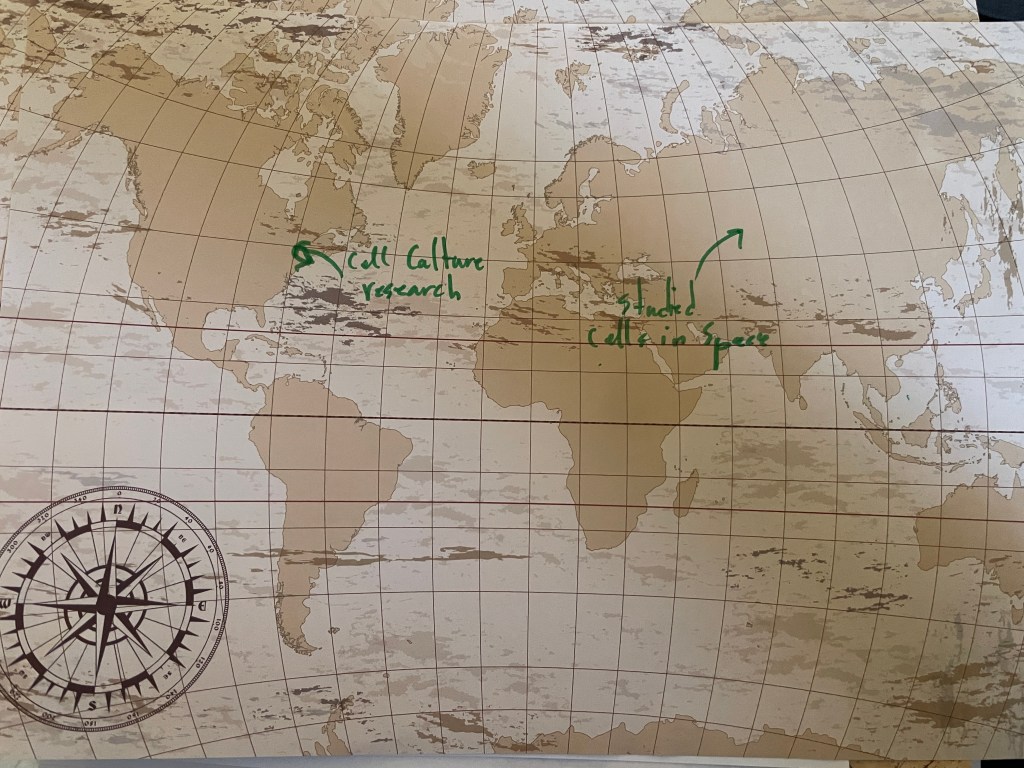
Student mapping of He/La cells around the world.
Evidence of Student Thinking
The student artifacts document the completion of a mapping activity. They show students working to organize information, identify relationships among locations, and explain the movement and influence of scientific research.
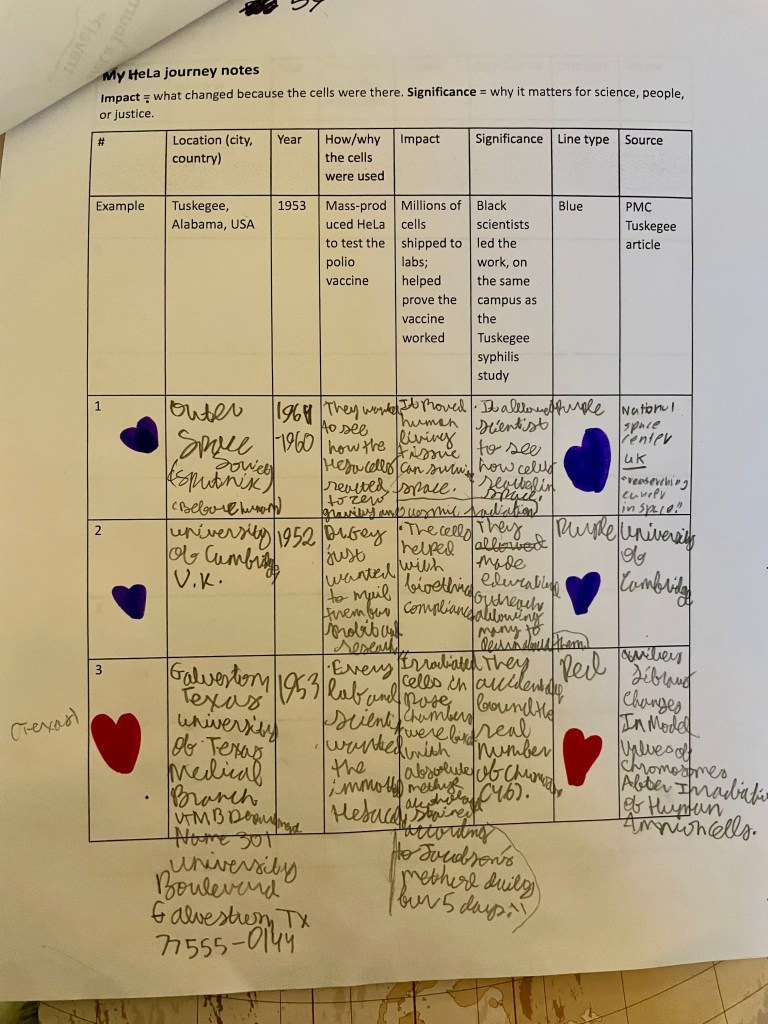
Note Catcher for students to record data points.
The world maps make geographic connections visible. Students identified places associated with HeLa research and used colored lines to represent connections across regions. The maps provided a shared visual reference for examining how scientific research extended beyond the place where the cells originated.
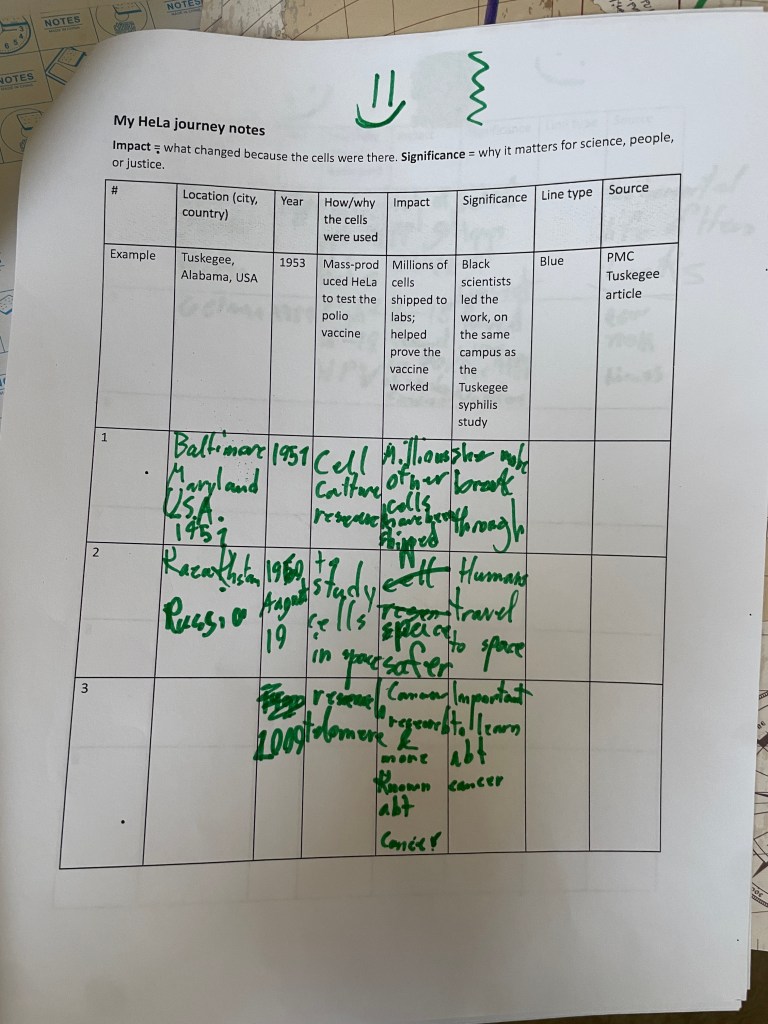
The journey-notes organizer offered another layer of evidence. Students recorded locations, dates, uses of HeLa cells, scientific impacts, and the significance of discoveries. For example, the organizer included research connected to space exploration, genetics, and cell biology. Students were prompted to explain not only what researchers did, but why those discoveries mattered.
The distinction between impact and significance was intentional. Impact asked students to identify what changed because the cells were used. Significance asked them to consider why that change mattered for science, people, or justice. This moved students beyond collecting facts toward interpreting evidence and constructing meaning. I am able to clearly see what areas I need to reteach, such as reliable sources and types of research.
What We Learned and What Comes Next
Across these cycles, I am learning that it takes more than giving students choice to create agency. It takes more than telling them that mistakes are ok and part of learning. It requires classroom structures that make risk-taking possible: meaningful choices, clear expectations, accessible resources, supportive feedback, and opportunities to revise. It helps if the culture of learning through mistakes is well established before any real risk-taking takes place.
I also learned that modeling vulnerability as a teacher can help challenge the assumption that learning requires always having the correct answer. Acknowledging mistakes, taking responsibility, and demonstrating repair can make the learning process more transparent for students.
Our next step is to strengthen the feedback cycle. Students need opportunities to practice identifying what is working, naming a specific area for improvement, and offering a useful next step. I also want to continue examining whose thinking becomes visible, who participates in different ways, and what barriers might prevent students from asking for help or taking intellectual risks.
Ultimately, this inquiry has reinforced my belief that students develop agency when they experience learning as an iterative process, one in which curiosity, uncertainty, feedback, mistakes, and revision are expected parts of meaningful intellectual work. It also reinforced that students strive to do more risk taking when they have choice and voice in how the learning is demonstrated.
Post-Lesson Debrief: THE POWER OF NOTICING
One of the most meaningful takeaways from the Lesson Study debrief was the advice of a Knowledgeable Other, veteran PBL lesson designer, math teacher, and PBL coordinator, Mr. Jamie Holmes. Jaime’s advice to us was to intentionally celebrate students who aren’t normally seen or heard from. Make a big deal about even the smallest of achievements. This connects to Rob Reardon’s well-known mantra at High Tech High, “Be the one who notices”.
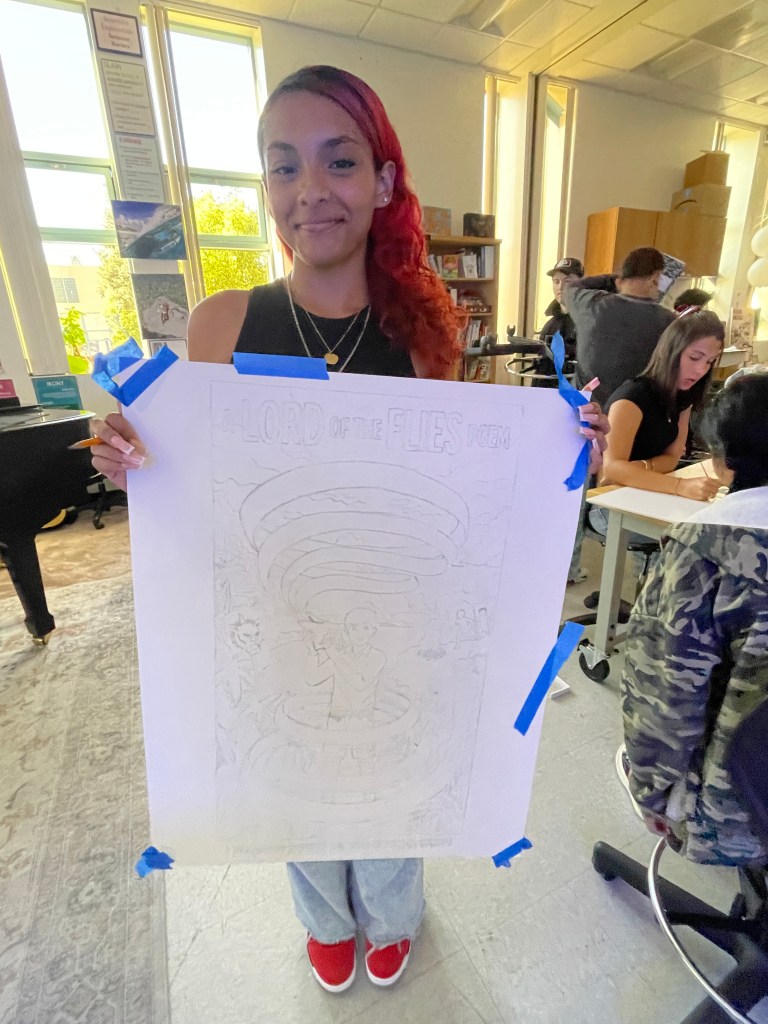
I realized that this lesson study gave me an opportunity to see and celebrate students who are often very good at making themselves invisible in a classroom. These are students whose thinking, strengths, creativity, or contributions can sometimes go unnoticed because their participation may look different from what we traditionally recognize as engagement. By intentionally noticing their efforts and celebrating their contributions, and extending this to an email to their parents echoing the accolades, I was able to communicate the message loudly and clearly that they are seen, heard and matter. Their ideas belong in our classroom and that there were many ways to be a valued member of our learning community.
This experience reinforced my belief that building student agency begins with creating a classroom where students feel safe enough to make mistakes, take risks, and learn through the process. Students also need to feel seen, valued, and respected. A classroom community grounded in trust and belonging creates the conditions for students to take intellectual risks, contribute their unique strengths and perspectives, and learn alongside people whose experiences may be different from their own.
My biggest takeaway was that rigor and joy are not opposites. When students feel a sense of ownership, belonging, and freedom to take risks, meaningful learning can be both challenging and fun!
Research Foundations: Creating a Classroom Where it is Safe to Take risks
As our team explored the problem of student agency, I began questioning why students sometimes hesitate to participate, share their thinking, or attempt something challenging (beyond the expectations set by the rubric). However, as I engaged with the research, I began to understand that students’ willingness to take academic risks is influenced by more than their individual confidence. It is also shaped by the classroom environment, their relationships with teachers and peers, the opportunities they have to exercise autonomy, and how mistakes are handled.
Several themes emerged from my research that helped shape our inquiry and instructional decisions.
1. Making Failure Safe Does Not Mean Removing Challenges
Fiamengo (2013) challenged me to think about the difference between supporting students and protecting them from every unsuccessful attempt. Students need meaningful challenges and opportunities to work through difficulty. If we remove every opportunity to struggle, we may unintentionally communicate that failure is something students cannot handle.
Gillespie et al. (2022) helped me think about how teachers can create structures that allow students to attempt challenging work while still providing appropriate guidance and support. Their research in medical education illustrates how learners can engage in authentic practice while experienced professionals provide oversight and feedback.
Wade-Robinson’s (2026) perspective on a “low floor, high ceiling” approach reinforced this idea. Students need multiple entry points and scaffolds that make challenging work accessible without lowering expectations. I was particularly interested in her practice of positioning students as researchers rather than simply students completing an assignment.
Together, these sources helped me rethink rigor. Making it safe to fail does not mean making it impossible to fail. It means providing the support, feedback, and opportunities students need to attempt meaningful work, learn from mistakes, and continue moving forward.
2. Mistakes Become Opportunities When the Classroom Has a Positive Error Climate
Metcalfe (2017) explains that errors can contribute to learning when students receive meaningful feedback and have opportunities to understand and correct their thinking. Grassinger et al. (2018) further examine the relationship between students’ responses to errors, classroom error climate, and academic achievement. Their work helped me recognize that mistakes alone do not guarantee learning. What matters is how students and teachers respond to them.
Sancar and Özkaya’s (2024) research on error-based activities in sixth-grade mathematics provided an example of how teachers can intentionally make errors part of instruction rather than treating them only as something to correct.
These studies shifted my thinking from simply telling students that mistakes are okay to designing learning experiences in which mistakes serve a purpose. Students need opportunities to identify what went wrong, understand why it matters, receive useful feedback, and revise their work. Teachers also need to examine how their own responses communicate whether uncertainty and mistakes are genuinely accepted in the classroom.
This research directly informed PDSA Cycle 2, in which I intentionally modeled a mistake in my own teaching practice. Rather than hiding the error or quietly correcting it, I acknowledged what happened and used it as an opportunity for reflection, accountability, and repair.
3. Belonging, Autonomy, and Relationships Influence Academic Risk-Taking
Üztemur (2020) examines the relationship between perceived autonomy support, fear of negative evaluation, and academic risk-taking in social studies courses. The findings helped me consider how fear of being judged by classmates or teachers may prevent students from sharing ideas, even when they have something meaningful to contribute.
Sabalani Taleshmekaeil et al. (2026) examine relationships among fear of failure, academic burnout, and mindfulness in high school students. This research reminded me that some students may experience the emotional weight of failure before they even attempt a challenging task. What we interpret as disengagement or reluctance may sometimes reflect a student’s fear of embarrassment, judgment, or disappointment.
My conversations with knowledgeable others helped connect these research findings to everyday classroom practice. Jaime Holmes (personal communication, September 14, 2026) emphasized the importance of building community and trust before expecting students to engage in rigorous academic work. His advice to “be the one who notices,” attributed to Rob Reardon, challenged me to pay closer attention to students whose strengths and contributions might otherwise go unrecognized.
This idea became particularly meaningful during our Lesson Study. I began to recognize that belonging is not simply about making students feel welcome. It requires intentionally noticing students, recognizing their contributions, and creating opportunities for different voices and strengths to become visible.
4. How the Research Informed Our Instructional Decisions
The research helped our team move from identifying a problem to testing specific changes in practice.
In PDSA Cycle 1, we explored whether providing students with multiple ways to demonstrate mastery would increase engagement and strengthen the quality of their work. This reflected the importance of autonomy, student voice, and multiple entry points.
In PDSA Cycle 2, I focused on modeling mistakes and making the process of acknowledging, analyzing, and correcting errors visible to students. This reflected the research on positive error climates, feedback, and learning through mistakes.
These ideas also informed the design of the HeLa global mapping lesson. Students were asked to investigate complex scientific and historical information, work with credible sources, make geographic connections, and explain the significance of scientific discoveries. The physical map, color-coded organizer, curated resources, and opportunities to share thinking provided multiple ways for students to access the task and demonstrate their understanding while still engaging with rigorous content.
The research ultimately helped me understand that student agency is not something we can simply ask students to demonstrate. It is something we must intentionally create the conditions for. Students need meaningful choices, appropriate scaffolds, opportunities to make mistakes and revise, supportive relationships, and a classroom community where their contributions are noticed and valued.
My central learning is that students are more likely to take intellectual risks when they know they will be supported through the process, not judged by the outcome of their first attempt.